Are Smart Locks Weatherproof for Outdoor Doors?
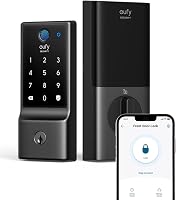
Some smart locks are weatherproof for outdoor doors, but you need a model rated for your exposure. The eufy C220 is IP53, the Aqara U400 is IP65, and the Schlage Encode details here give no IP rating.
On this page (9 sections)
- Are smart locks weatherproof for outdoor doors?
- What do IP53 and IP65 mean for smart lock weatherproofing?
- What should you check before installing a smart lock outside?
- How should you set up and care for an outdoor smart lock?
- Can cold, heat, and moisture affect smart lock batteries?
- Does a smart lock need a cover?
- How do you choose a weatherproof smart lock?
- Are smart locks weatherproof enough for your door?
- Related guides
Some smart locks are weatherproof for outdoor doors, but the model’s rating and installation guidance need to match your entry. If you’re asking are smart locks weatherproof in general, the practical answer is that weather protection varies by lock.
Check the IP rating, operating temperature range, and how much rain, snow, dust, and sun reach the lock. The eufy C220 is IP53, the Aqara U400 is IP65, and the Schlage Encode details here give no stated IP rating.
Are smart locks weatherproof for outdoor doors?
Some smart locks have a stated rating for outdoor exposure, while others don’t. Before installing one outside, check the brand’s instructions and compare the stated protection with your door’s conditions.
“Smart lock” describes access features, not weather protection. Wi-Fi, a keypad, fingerprint access, and app control don’t tell you whether water can reach the electronics.
An IP rating gives you a way to compare dust and water protection. It doesn’t mean the lock can be submerged or placed anywhere, so follow the brand’s guidance for the specific installation.
For a broader look at access types and features, start with keyless door lock types and how to choose. If you’re comparing connected models, smart lock features worth paying for can help you decide which functions matter.
What do IP53 and IP65 mean for smart lock weatherproofing?
IP65 indicates a higher level of dust and water protection than IP53. Neither rating means you can ignore installation instructions or temperature limits.
The first digit describes dust protection, and the second describes water protection. In these examples, the 5 in IP53 indicates dust protection that isn’t complete, while the 3 indicates protection against water spray at an angle.
IP65 indicates dust-tight protection and protection against water jets. These ratings don’t cover every condition a lock may face, so also check the stated temperature range and allowed installation location.
Is IP53 weatherproof enough for a front door?
IP53 may suit a partly sheltered entry if the brand allows that installation. It may not be the right fit for every exposed doorway or pattern of wind-driven rain.
The eufy C220 has an IP53 rating and a stated operating range of -22°F to 158°F (-30°C to 70°C). Compare those limits with the weather and exposure at your door.
The C220 suits buyers who want fingerprint access, built-in Wi-Fi, and multiple entry methods alongside a stated weather rating. Skip it if your doorway gets direct heavy water exposure and you want the higher protection indicated by an IP65 rating.
Is IP65 a better choice for an exposed door?
The Aqara U400’s IP65 rating indicates a higher level of dust and water protection than IP53. Its exterior is rated for outdoor durability, but you should still follow Aqara’s installation guidance.
The U400 suits buyers who want a more protective stated rating, several ways to enter, and a rechargeable battery. It includes a physical key, fingerprint access, passcodes, app access, and Apple Home Key support; some smart features need compatible hubs and devices.
Skip the U400 if you don’t want a rechargeable battery or its connected features depend on hubs and devices you don’t have. Before buying, check that your door fits and that its power and access options work for your household.
What should you check before installing a smart lock outside?
Check the rating, temperature range, exposure, and installation instructions before choosing an outdoor smart lock. Also consider whether water can collect around the keypad, seams, or battery area.
Use this checklist:
- Find the model’s IP rating and stated operating temperature range.
- Confirm that the brand allows installation at your type of exterior door.
- Check for direct rain, wind-driven rain, snow, dust, and strong sun where the lock will sit.
- Make sure the door and deadbolt move freely without forcing the motor.
- Plan for battery changes, charging, and backup entry.
A poorly aligned door can strain a lock regardless of its weather rating. Use this guide to measuring a door for a keyless lock to check fit before installation.
Are smart locks weatherproof if the Schlage Encode has no IP rating?
The Schlage Encode details here don’t state an IP rating or operating temperature range. Ask Schlage whether your specific door location is suitable before choosing it for an uncovered entry.
The Encode suits buyers who want built-in Wi-Fi, a touchscreen, app control, and a physical backup key. It can manage access codes and includes an alarm, but those access features don’t establish weather resistance.
Skip it for a fully exposed door if you need a published IP rating to compare against your conditions. Even under a deep porch, confirm the permitted installation location.
How should you set up and care for an outdoor smart lock?
Install the lock as directed, confirm the bolt moves freely, and keep its seals and battery area properly closed. A good setup reduces avoidable stress on the lock and helps keep water out.
Before installation, check the door dimensions and deadbolt fit. After installation, operate the door with it open to confirm the bolt moves freely, then close the door and check again; a door that binds may need adjustment.
Keep the keypad, seams, and battery compartment clean and closed as the brand directs. Don’t spray cleaners or water into openings, leave the battery cover loose, or open the compartment in wet weather.
A cover can reduce direct rain and sun, but it doesn’t change the lock’s IP rating. Make sure an awning or cover doesn’t block the keypad, interfere with the door, or create a spot where moisture collects.
Can cold, heat, and moisture affect smart lock batteries?
Temperature and use affect battery planning, so check the lock’s stated range and power guidance. Keep a backup entry method in mind, especially at an exposed door.
Battery life varies by model, use, and conditions. The eufy C220 uses 8 AA batteries and is rated for around 8 months; the Schlage Encode uses 4 AA batteries and is rated for up to 6 months with typical use.
The Aqara U400 uses a rechargeable battery rated for up to 6 months per charge.
Don’t assume a water rating protects the battery area while it’s open. Follow the brand’s instructions, use dry hands when changing or charging batteries, and close the compartment securely before the lock faces rain again.
For more on replacement timing and planning, see how long smart lock batteries last. If you’re unsure whether connected features require extra hardware, read whether a smart lock needs a hub.
Does a smart lock need a cover?
A cover can reduce direct rain and sun, but it doesn’t replace a suitable weather rating. Use the brand’s installation guidance to decide whether your entry is sheltered enough.
A small awning may shield a keypad from rain, while a recessed doorway may limit direct sun. Check how far rain or snow can blow beneath the cover, especially during storms.
If water reaches the lock, choose a model with a stated protection level that fits the exposure. Don’t judge suitability by a general “weatherproof” label alone.
How do you choose a weatherproof smart lock?
Match the lock’s stated protection and temperature range to your door, then compare fit, power, and entry options. That order helps you avoid paying attention to smart features that won’t solve the main exposure concern.
For a partly sheltered door, the eufy C220 is a clear option to assess: it has IP53, a stated temperature range, fingerprint access, and built-in Wi-Fi. For a more exposed location, the Aqara U400 has the higher stated rating at IP65 and a rechargeable battery.
Choose the Schlage Encode if its Wi-Fi and keypad features suit you and Schlage confirms the installation is allowed for your exposure. Skip it when you need a published IP rating to make that comparison.
Before deciding, confirm the lock fits your door and that you have a reliable backup way in. If you’re weighing app access against a simpler keypad, compare smart locks and keypad locks.
Are smart locks weatherproof enough for your door?
Choose by exposure first: consider the Aqara U400 for a more exposed entry, the eufy C220 for a partly sheltered door where IP53 and its temperature range fit, and the Schlage Encode only after confirming its allowed location with Schlage.
A roof may reduce direct rain, but it doesn’t give an unrated lock a weather rating. Before you buy, compare the lock’s protection, temperature guidance, door fit, power plan, and backup entry with the conditions at your home.
Related guides
- How long smart lock batteries last
- Do you need a hub for a smart lock?
- What is a retrofit smart lock?
Frequently asked questions
Are smart locks safe to use in the rain?
Some are rated for water exposure, but check the model’s IP rating and installation instructions before placing it in direct rain. A roof or porch can reduce exposure, but it doesn’t change the lock’s rating.
Keep seams and the battery compartment closed as the brand directs.
What IP rating should an outdoor smart lock have?
There isn’t one rating for every door because exposure varies. Compare the rating and installation guidance with the rain, spray, dust, and temperature conditions at your entry.
IP53 and IP65 indicate different levels of dust and water protection, but neither removes the need to follow the brand’s instructions.
Can cold weather affect a smart lock?
It can, so check the lock’s stated operating temperature range. Cold can also affect batteries, and a stiff or misaligned door can make a deadbolt harder to turn.
Follow the brand’s guidance and keep a physical key available if your lock includes one.
Does a covered porch make a smart lock weatherproof?
A covered porch can shield a lock from direct rain and sun, but it doesn’t change the lock’s rating. Check the allowed installation locations.
If wind-driven rain or snow reaches the door, choose a lock whose stated protection and instructions suit that exposure.